


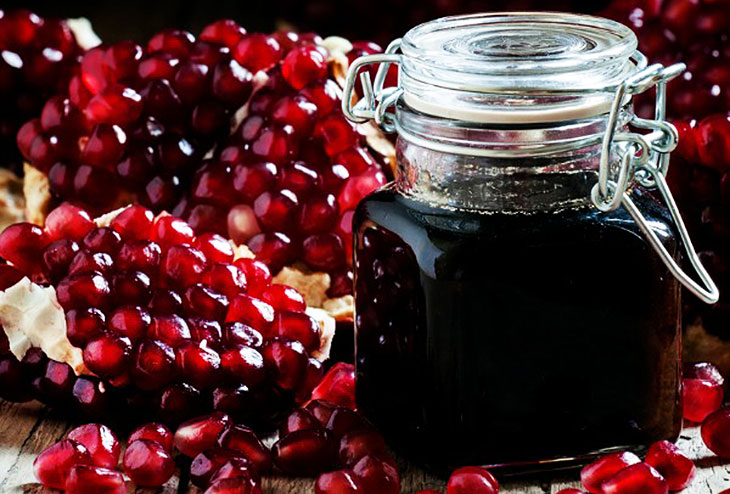
Discover the key differences between homemade and industrial thin pomegranate paste, including taste, ingredients, packaging, and quality to help you choose the best option.
? What Is the Difference Between Homemade and Industrial Pomegranate Paste
Pomegranate paste is a traditional and widely used condiment in Iranian and Middle Eastern cuisine. It is availabl two main types: homemade and industrial. Each type comes with its own flavor profile, uses, and characteristics that are important to understand before making a purchase.
– Homemade thin pomegranate paste is typically made by simmering pure pomegranate juice over low heat for several hours without any additives or preservatives. The result is a thick, dark paste with a sour or tangy flavor and a natural aroma. Due to the lack of preservatives, this type of paste has a shorter shelf life and must be stored properly.
– Industrial thin pomegranate paste is produced in factories using modern machinery. To improve shelf life and visual appeal, it often includes preservatives, food-grade colorants, thickeners, or even added sugar. It has a milder and more uniform taste and usually appears lighter in color than the homemade version.
From a price perspective, industrial pomegranate paste is more affordable and available in larger quantities, while homemade paste is usually made in smaller batches and may be more expensive due to its artisanal nature. The choice depends on the consumer’s preference, intended use, and emphasis on natural ingredients and flavor authenticity.

?How Does the Quality Compare
Quality is a key factor in selecting pomegranate paste. The preparation method, type of pomegranate used, and presence or absence of additives significantly affect the final product’s quality.
– Homemade paste is crafted traditionally from pure pomegranate juice, without any artificial ingredients. This retains its natural flavor, deep color, and thick texture. The quality highly depends on the pomegranate variety, cooking duration, and storage conditions. Since no preservatives are used, it should be stored in sealed containers and refrigerated to prevent spoilage or mold.
– Industrial paste is made in hygienic factory settings with modern equipment. Additives like salt, sugar, and stabilizers are often used to enhance shelf life and flavor consistency. Although these additions make the product more stable for retail, they can slightly compromise the natural quality and authenticity of the taste.
In summary, homemade pomegranate paste offers superior natural taste and originality when properly made and stored, while industrial versions are more practical for everyday use due to their standardized quality and longer shelf life.

Packaging: Homemade vs. Industrial
Packaging plays a vital role in preserving product quality, extending shelf life, and attracting consumers. There are notable differences in how homemade and industrial thin pomegranate paste are packaged.
– Homemade paste is usually produced in small batches and packed manually in glass jars, heavy-duty plastic bottles, or small plastic containers. It is often sold in local markets or for home use, and may lack standardized labeling, production dates, or health certifications. Glass jars are generally preferred as they help preserve taste and quality.
– Industrial paste is professionally packaged using automated systems and follows strict health regulations. It comes in various sizes such as 250g, 550g, 1kg, and even bulk packaging. Packaging materials include glass, plastic, or metal cans with sealed lids to prevent air contamination. Industrial packaging typically includes full product information such as ingredients, expiration date, health permits, and tracking codes.
Overall, homemade packaging is simpler and more natural, while industrial packaging is more secure, standardized, and suited for broader market distribution.

Conclusion
When comparing homemade and industrial thin pomegranate paste, it ultimately comes down to personal preferences and usage needs. Homemade paste offers a more natural, authentic flavor but requires careful storage and has a shorter shelf life. Industrial paste provides consistent taste, longer shelf life, and easier access. Whether you’re looking for traditional quality or everyday convenience, understanding these differences helps you choose the right product for your kitchen.

No views