


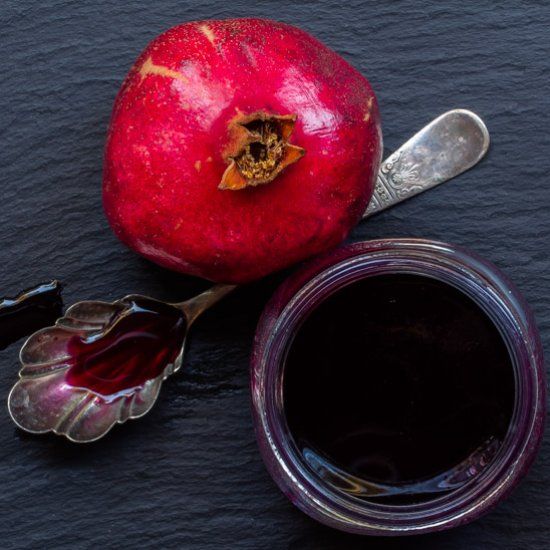
Traditional Iranian thin pomegranate paste, made using fresh pomegranates and traditional methods, offers a unique flavor and natural color that has attracted significant attention in export markets. This paste is produced without chemical additives and retains the beneficial properties of the fruit. In contrast, industrial pomegranate paste benefits from mass production and standardized packaging but sometimes lacks the natural quality and flavor of traditional paste.
Characteristics of Traditional Iranian Thin Pomegranate Paste and Its Importance in the Export Market
Traditional Iranian thin pomegranate paste is a valuable and authentic product that has gained popularity in international markets due to its natural taste and unique production method. It is typically made from fresh, high-quality pomegranates harvested from well-known Iranian orchards, where great care is taken to ensure the best flavor and quality. The use of ripe and healthy fruits gives the paste a balanced sweet and tangy flavor that appeals to a wide range of tastes.
The preparation method for traditional paste is usually manual and involves gentle heating, preserving the natural antioxidants and vitamins in the pomegranate. This process not only maintains the nutritional quality but also results in a thinner, more versatile paste suitable for a variety of dishes. The paste’s natural bright red color reflects its freshness and quality, with no artificial coloring used.
From an export perspective, traditional Iranian pomegranate paste has secured a special place in global markets due to its authenticity and high quality. Foreign customers seek products with natural flavor and health safety, and proper packaging and hygiene standards in the production process help maintain trust and product integrity during export.
Ultimately, traditional Iranian thin pomegranate paste is not only nutritionally valuable but also represents Iranian culture and tradition. With a focus on quality, authenticity, and standardized packaging, this product holds strong potential in international trade.

Advantages and Disadvantages of Industrial Pomegranate Paste in International Markets
Industrial pomegranate paste is in high demand in global markets thanks to its mechanized production and large-scale availability, offering both advantages and drawbacks.
Key advantages include mass production and consistent product quality. Factories equipped with advanced technology can produce large quantities of paste to consistent standards, making it easier to meet export demands. Industrial packaging is typically sturdy and extends shelf life, which is crucial for long-distance exports. Lower pricing compared to traditional paste is another benefit, attracting budget-conscious buyers.
However, industrial paste has some disadvantages. Additives and chemical preservatives are often used to improve appearance and shelf life, potentially compromising the natural flavor and aroma. High-heat industrial processing may also reduce antioxidant and vitamin content, decreasing nutritional value.
Industrial paste sometimes lacks the rich, natural color and thickness expected in premium products. This can be a drawback in export markets where authenticity and quality are highly valued. Moreover, some buyers prefer traditionally made products for their natural qualities and healthier profile.
Overall, industrial paste offers practical benefits for export, such as scalability and affordability, but maintaining quality and natural flavor remains essential for long-term success in global markets.

Strategies for Selecting High-Quality Thin Pomegranate Paste for Export Success
Selecting quality thin pomegranate paste for export requires adherence to several key principles. The first is sourcing high-quality raw materials. Fresh, ripe pomegranates with natural color and balanced flavor are essential. Using unripe or low-quality fruit can negatively affect both flavor and appearance.
The second factor is the production method. Traditional techniques with gentle heating and no additives help retain antioxidants, vitamins, and the authentic taste of pomegranate. In industrial production, compliance with hygiene regulations and quality control is essential to maintain flavor and safety.
Packaging plays a vital role in preserving freshness and ensuring a long shelf life. Packaging should protect against air, moisture, and contamination. Clear labeling with production and expiration dates, producer information, and health certifications boosts consumer trust.
Fair pricing is also critical. The price must reflect the product’s quality, ensuring competitiveness in global markets without undercutting value. Understanding the target market, adhering to export regulations, and maintaining quality during transportation and storage are also key.
Following these strategies allows producers to deliver high-quality thin pomegranate paste that stands out in international markets and captures a strong share of exports.

No views