


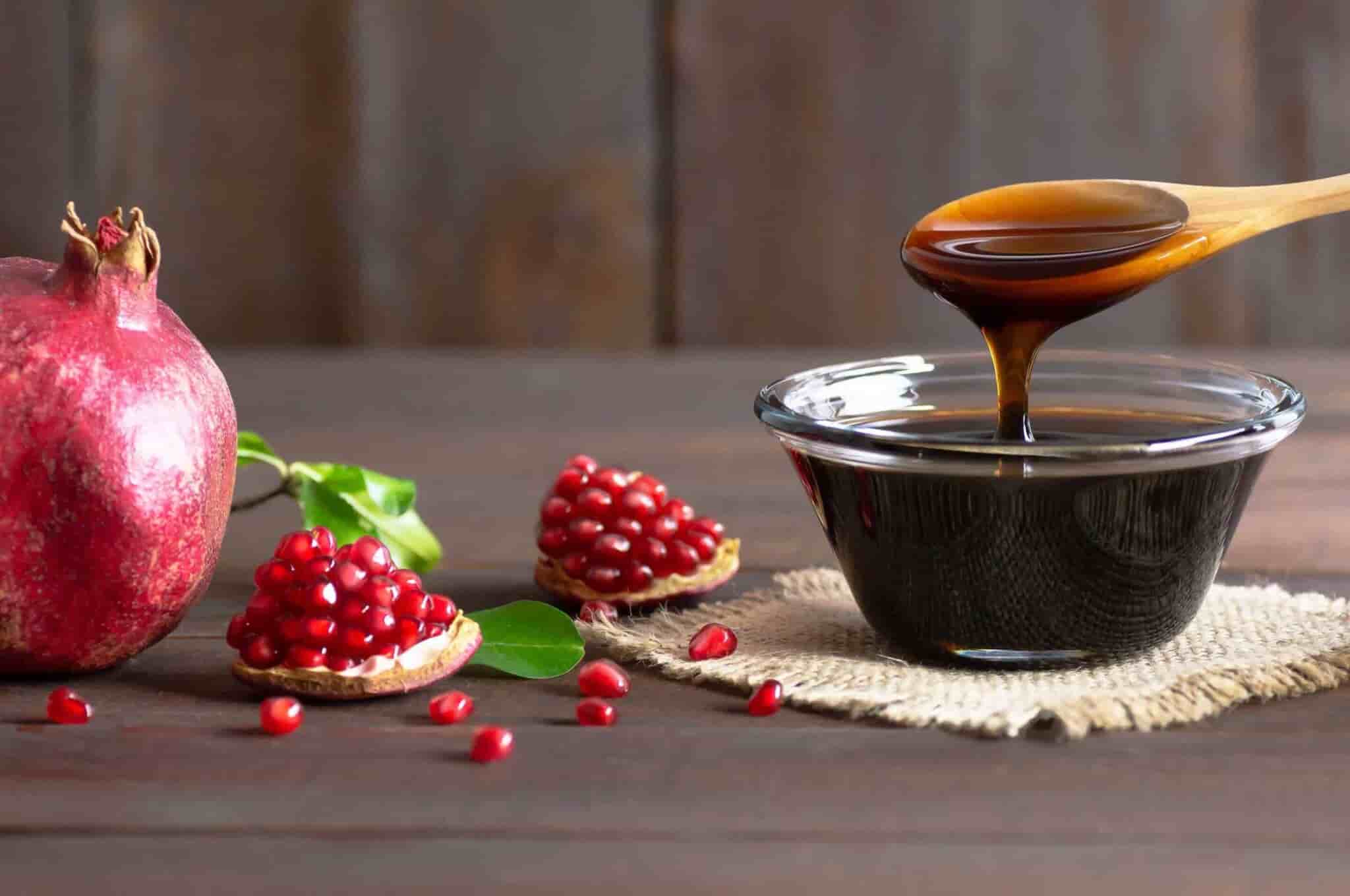
If you are looking for pomegranate paste with a natural, rich flavor and pleasant aroma, choosing between homemade and factory-made options can provide very different experiences. Fresh and high-quality pomegranate paste not only enhances the taste of dishes but also carries great nutritional value, being rich in vitamins and antioxidants. By purchasing premium-quality paste, you can ensure delicious and healthy meals that leave a memorable impression on both family and guests.
Advantages and Disadvantages of Homemade vs. Industrial Pomegranate Paste
Pomegranate paste is one of the most popular condiments in Persian cuisine and is produced in both homemade and industrial types, each with its own characteristics and advantages. Homemade paste is usually made from fresh, ripe pomegranates and has a natural taste and pleasant aroma that industrial paste often cannot match. Because it is free from preservatives and chemical additives, homemade paste is healthier and better suited for daily use. Its production is typically small-scale and traditional, allowing for greater control over freshness and quality.
On the other hand, factory-made paste is produced for large-scale consumption and adheres to specific hygiene standards. It generally has a longer shelf life and comes in packaging designed to preserve its quality over time. For consumers who prioritize easy access, bulk purchasing, and long-term storage, industrial paste is a convenient choice.
However, factory-made paste may lack the natural flavor and freshness of homemade paste due to high-heat processing or the addition of preservatives and sugar. In some cases, mass production can also affect the quality of the raw pomegranates used.
Ultimately, the choice between homemade and industrial paste depends on the consumer’s priorities. If natural taste, high-quality raw materials, and nutritional benefits matter most, homemade paste is the better option. But if longer shelf life, convenient access, and standardized production are more important, industrial paste is the safer choice. Both types have their own strengths and limitations, and understanding these factors helps consumers make an informed decision.

Key Points for Identifying the True Quality of Pomegranate Paste
Identifying the true quality of pomegranate paste is crucial, as taste, color, and nutritional benefits all depend directly on it. The first factor to check is the color. Premium paste should have a natural, transparent shade ranging from deep red to reddish-brown. Artificial or excessively dark colors may indicate the use of additives or overcooking, which reduces both flavor and nutrients.
The second factor is concentration and consistency. High-quality paste should be thick, uniform, and free of excess water. Thin or watery paste may contain added sugar, water, or preservatives, which compromise quality. The smell and taste are also vital indicators—fresh paste should have a pleasant, natural aroma and a balanced sweet-tart flavor. Bitterness or artificial taste usually indicates poor processing or low-quality fruit.
The third factor is packaging and labeling. Premium paste should come in hygienic packaging with clearly marked production and expiration dates. Proper packaging reflects adherence to safety standards and consumer trust.
In addition, the type of pomegranate and the method of production play major roles in quality. Paste made from fresh, ripe fruits without chemical additives, whether produced traditionally or in high-quality industrial processes, offers the best flavor and nutritional benefits.
By following these points, consumers can select pomegranate paste that delivers authentic taste, preserves nutritional properties, and elevates their cooking experience. Quality paste not only improves flavor but also guarantees health benefits for consumers.
The Impact of Production Methods on Taste and Nutritional Value
The production method has a significant impact on the taste and nutritional value of pomegranate paste. Homemade paste is typically made with fresh, ripe fruits, free of chemical additives, and prepared with gentle heating. This method helps preserve the natural sweet-tart flavor of pomegranates and maintains their bright, natural color. It also minimizes damage to heat-sensitive nutrients such as vitamins and antioxidants, ensuring higher nutritional value.
By contrast, industrial paste is often produced under higher heat or with added preservatives and thickeners to extend shelf life and enable mass production. While this ensures consistency, packaging hygiene, and long-term durability, it can reduce natural flavor, alter color, and degrade sensitive vitamins like vitamin C.
In general, the more natural the production method and the lower the applied heat, the better the flavor and nutritional value of the paste. Choosing paste made through appropriate production processes not only improves taste but also enhances the health value of meals, giving consumers a healthier and more enjoyable culinary experience.

No views