


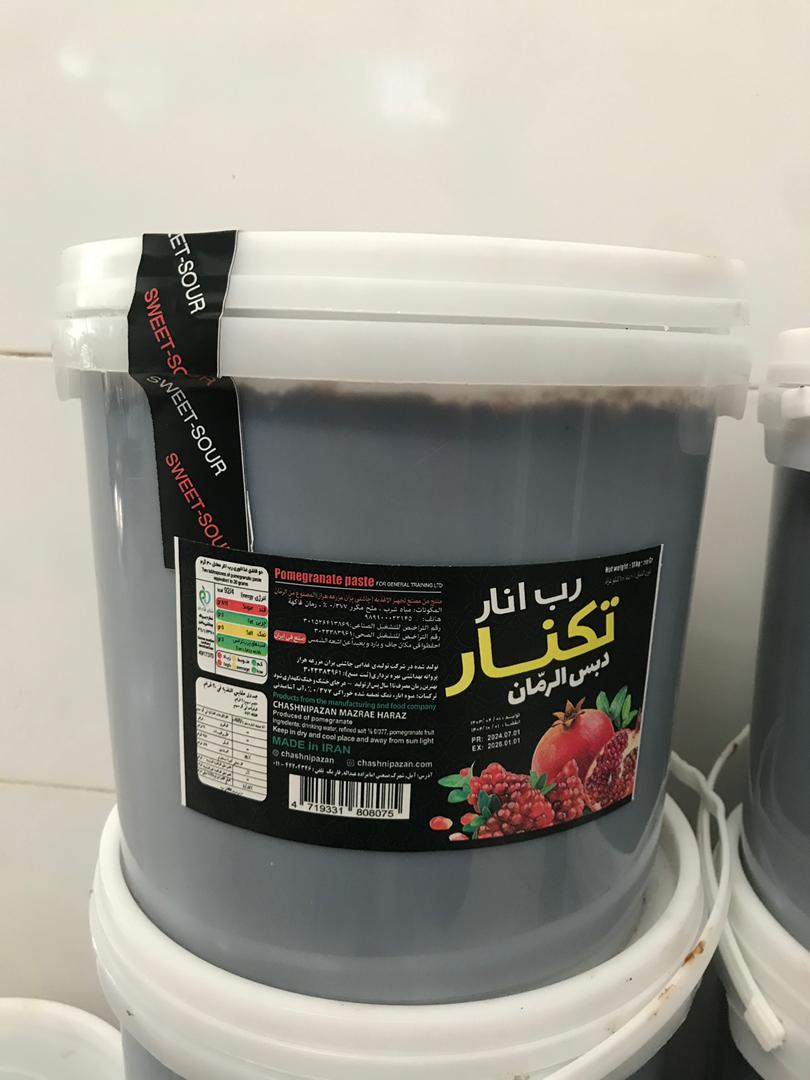
Pomegranate paste, whether homemade or industrial, holds a special place in professional cooking. Chefs use this valuable condiment to create distinctive flavors in both Persian and international dishes. This article explores the uses of homemade and industrial pomegranate paste, their differences, and their impact on food quality in professional kitchens.
Comparing Homemade and Industrial Pomegranate Paste in Professional Kitchens
Pomegranate paste is one of the most authentic and widely used condiments in Persian and Mediterranean cuisine. Professional chefs usually choose between two main options—homemade and industrial paste. Each type has its own characteristics that influence the choice depending on the dish and cooking style.
Homemade paste is typically made naturally and without additives. This results in a purer taste, thicker consistency, and more natural color. In many traditional restaurants or eateries that emphasize authenticity of flavor, homemade paste is preferred. Alongside its unique aroma and taste, it also offers higher nutritional value, making it a strong choice in professional kitchens.
On the other hand, industrial paste is more commonly used in large restaurants and hotels that require high volume and consistent quality. Industrial production with modern technology allows for strict hygiene control and longer shelf life. This feature is especially beneficial for kitchens that prepare large quantities of food daily.
Overall, the decision between homemade and industrial paste depends on the needs of the kitchen and the menu. When the focus is on flavor quality and authenticity, homemade paste is the better option. But when consistency and efficiency are the priorities, industrial paste becomes more suitable.

The Role of Pomegranate Paste in Enhancing Flavor and Quality of Restaurant Dishes
One of the main reasons pomegranate paste is so popular in professional cooking is its ability to balance sweet, sour, and slightly bitter notes. This makes it a go-to ingredient for chefs who want to create memorable, customer-pleasing dishes. In fact, pomegranate paste is not just a condiment but often a secret behind the success of many restaurant dishes.
In traditional Persian meals such as Fesenjan, chicken stew, or pomegranate-based stews, this paste plays a central role, significantly influencing the final outcome. At the same time, many international chefs have recently discovered its value, using it in sauces, marinades, and even salads.
Another key advantage is its strong ability to enhance the flavor of meats and vegetables. Adding just the right amount can transform a simple dish into something special and appealing. Its vibrant color also improves visual presentation, which is crucial for restaurant dining experiences.
For professional chefs, pomegranate paste is a creative tool. By combining it with spices and other ingredients, chefs can craft signature recipes unique to their restaurants. Thus, pomegranate paste not only elevates flavor but also contributes to restaurant branding and marketing.

Key Tips for Choosing the Best Type of Pomegranate Paste for Professional Chefs
Choosing the right type of pomegranate paste in professional kitchens is not a simple decision. Chefs must consider menu needs, consumption volume, and working style to determine the best choice. The first factor to evaluate is product purity and quality. Paste free of chemical additives and artificial coloring has higher value and delivers a more natural taste.
The next factor is concentration. In professional kitchens, controlling consistency is critical because it directly affects the texture and appearance of dishes. Homemade paste is usually thicker, making it more suitable for stews and specialty sauces, while industrial paste is often thinner, making it convenient for large-scale use.
Shelf life is another key criterion. Restaurants and hotels often require stable products that can withstand varied storage conditions. From this perspective, industrial paste offers greater advantages. However, when quality and taste are the priorities, many chefs prefer buying homemade paste in smaller quantities.
Another important factor is packaging. Paste packaged in hygienic, durable containers not only preserves quality but also builds trust with both chefs and customers. Ultimately, the best choice is the one that aligns with the cooking style and customer expectations. A chef seeking authentic and distinctive taste will lean toward homemade paste, while large restaurants with high production volumes usually favor industrial paste.

No views