


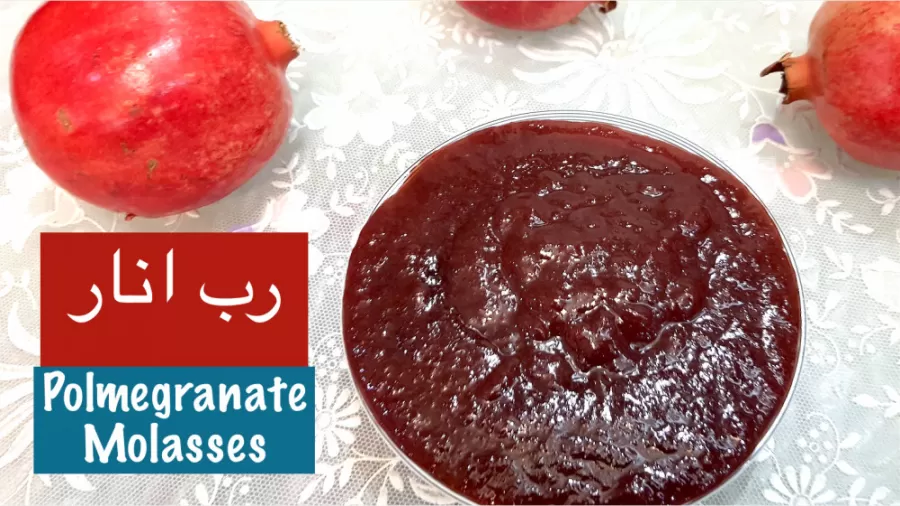
Finding a reliable supplier is a critical step when placing bulk orders for Iranian pomegranate paste. Choosing a reputable producer not only guarantees product quality but also helps save time and costs. This article explores how to identify trustworthy suppliers, key points for building long-term partnerships, and common challenges in bulk purchasing of Iranian pomegranate paste.
Identifying Verified and Trustworthy Suppliers
Finding a reliable supplier is the first and most crucial step in sourcing Iranian pomegranate paste in bulk. Many international buyers face issues such as poor product quality or delivery delays; therefore, verifying the supplier’s credibility before starting cooperation is essential.
One effective way to identify a trustworthy supplier is by reviewing international certifications such as ISO and HACCP. These certificates indicate that the producer complies with hygiene and quality control standards. Additionally, the supplier’s experience and track record in domestic and export markets can serve as reliable indicators of trustworthiness.
Visiting the factory in person or contacting company management directly provides an opportunity to observe the production process and ensure product quality and sanitary standards. If possible, testing a product sample before placing a bulk order is one of the most effective ways to evaluate quality.
Customer reviews and feedback also provide valuable insight into the supplier’s reliability and previous clients’ satisfaction levels. Connecting with food export associations and professional trade networks can further help identify reputable suppliers.
Ultimately, transparency in contracts, clearly defining quality commitments, delivery timelines, and establishing a consistent communication system lay the foundation for a secure and long-term partnership with suppliers.

Evaluating Product Quality and Consistency
Product quality and consistency are among the most important factors when placing bulk orders for pomegranate paste. A reliable supplier consistently delivers paste with the same texture, flavor, and concentration — ensuring customer satisfaction and brand stability.
To assess quality, it’s essential to evaluate factors such as thickness, natural color, authentic taste, and sugar or acidity levels. Professional manufacturers conduct periodic laboratory tests and share the results with buyers, demonstrating their transparency and commitment to quality assurance.
Proper packaging is another key factor in maintaining quality during transport. Glass jars or high-grade containers help prevent leakage, spoilage, or flavor changes. In addition, full labeling — including nutritional information and production dates — is a requirement for international exports.
Another effective practice is requesting multiple samples from different batches before finalizing a bulk order. This allows buyers to compare quality, taste, and texture and ensures that the producer can maintain consistency across shipments.
Finally, maintaining close cooperation with the manufacturer and establishing a regular feedback system ensures that any quality issues are promptly identified and resolved, helping sustain a long-term partnership built on trust.

Negotiating Terms and Ensuring Reliable Delivery
Negotiating clear terms and ensuring on-time delivery are vital stages in the bulk purchasing process for Iranian pomegranate paste. Even with a reputable supplier, lack of clarity in agreements can lead to delays, additional costs, or quality disputes.
The contract should include detailed information such as quantity, delivery schedule, packaging specifications, and quality standards. Defining a clear product return policy in case of non-compliance with specifications helps prevent potential issues.
Selecting a reliable transportation method is equally important. Using experienced international logistics companies that specialize in food shipments helps preserve product quality during transit and reduces the risk of damage or spoilage.
Payment terms should also be transparent and secure. Setting clear rules for advance payments, installments, and conditional payments based on delivery milestones ensures financial security and mutual trust.
Establishing a consistent communication channel with the supplier — including regular updates, progress reports, and follow-ups — promotes better coordination and prevents misunderstandings. These measures not only make bulk ordering more reliable but also lay the foundation for long-term and sustainable business partnerships.

No views