


Buying natural pomegranate paste is a smart choice for those who value both health and authentic flavor.
In this guide, we’ll look at the key features of natural pomegranate paste, how to distinguish genuine products from artificial ones, and the most important tips for choosing the best-quality paste — thick, preservative-free, and rich in natural flavor.
Benefits of Buying Natural Pomegranate Paste
Buying natural pomegranate paste isn’t just a culinary decision — it’s a lifestyle choice for better health.
This paste is made from fresh, ripe pomegranates without any chemical additives, artificial coloring, or preservatives.
As a result, the final product is rich in antioxidants, vitamin C, and heart-friendly nutrients that support the immune system and overall wellness.
One of the biggest advantages of natural pomegranate paste is its deep, authentic taste — something that’s rarely found in industrial products.
It has a dark color, thick texture, and its flavor varies from sour to mildly sweet, depending on the variety of pomegranate used.
Beyond its use in cooking, pomegranate paste has also been valued in traditional medicine for helping lower cholesterol, improving digestion, and increasing energy levels.
When buying natural paste, choose products made from fresh, unsweetened, preservative-free pomegranates.
Such paste not only tastes better but also maintains its aroma and texture for a longer time.
Ultimately, if you want an authentic and healthy flavor experience, natural pomegranate paste is your best choice.
It offers high nutritional value, long-lasting freshness, and a richer, more traditional taste compared to industrial options.
How to Identify High-Quality Natural Pomegranate Paste
To make the right purchase, it’s important to know the signs of genuine, high-quality paste.
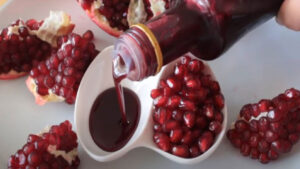
The first indicator is color — natural paste usually has a dark brownish-red shade, not bright red.
This depth of color comes from long, natural boiling, not artificial dyes.
Another key factor is texture and consistency.
Natural pomegranate paste is thick, sticky, and uniform, while industrial paste is often watery and light — a sign of dilution or additives.
The aroma also tells a lot: natural paste smells like fresh pomegranate, with no chemical scent.
When checking the label, make sure the paste contains no preservatives, artificial colorings, or sugar.
Be mindful of pricing, too: genuine natural paste often costs more due to traditional production methods, but its superior flavor and nutrition make it worth it.
For best results, buy from local producers or trusted brands that guarantee authenticity and safety.
This way, you’ll always receive a pure, natural, and additive-free product.
How to Store and Use Natural Pomegranate Paste
Proper storage is essential to maintain the flavor and quality of natural paste.
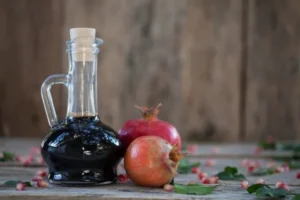
Always store it in a clean, airtight glass jar in a cool, dark place away from direct sunlight or heat, which can affect its color and taste.
For long-term storage, adding a thin layer of natural oil (like olive oil) on top helps prevent mold.
Always use a clean, dry spoon when serving to avoid introducing moisture.
Natural pomegranate paste is incredibly versatile — it can be used in Persian dishes like Fesenjan, chicken stew, Koofteh, or salad dressings.
Its rich sourness adds depth and aroma to every dish.
Some chefs mix it with ground walnuts or tomato paste to create a balanced sweet-sour flavor.
Because it’s completely natural and free of additives, it’s not only healthier but also gives dishes a more authentic and vibrant flavor.
If you’re looking for a pure, flavorful, and nutrient-rich product, always choose natural pomegranate paste — a true reflection of Iran’s traditional culinary excellence.

No views