


Iranian pomegranate paste is produced through a completely natural and authentic process — from the harvesting of high-quality pomegranates in Iranian orchards to traditional processing and modern packaging.
Every step is carried out with care and precision to deliver a pure, flavorful product that reaches consumers in perfect condition.
This exceptional quality has made Iranian pomegranate paste a premium, healthy, and in-demand product in global markets.
Harvesting the Finest Iranian Pomegranates
The journey of Iranian pomegranate paste begins in the fertile orchards of Iran, where ripe and healthy fruits are carefully harvested.
Iran is one of the world’s largest and oldest producers of pomegranates, with regions like Saveh, Neyriz, Kuhdasht, Ferdows, and Isfahan recognized as major production centers.
The combination of climate, fertile soil, and diverse pomegranate varieties gives the final product its unmatched quality.
Harvesting usually takes place in autumn (October to November) when the fruits reach peak sweetness, color, and flavor.
Experienced farmers handpick pomegranates with unblemished skin and juicy, ruby-red seeds — ensuring that only the best fruit makes it to the processing stage.
This careful selection directly affects the quality of the paste, as the final product is only as good as the fruit it’s made from.
Iranian pomegranates are especially rich in antioxidants and polyphenols, compounds known for their health benefits.
This natural richness, combined with a deep red color and perfectly balanced sweet-and-sour flavor, makes Iranian pomegranate paste superior to many foreign versions.
In several regions, harvesting is still done by hand using traditional techniques to prevent bruising and maintain freshness.
Workers gently separate the fruits and place them in special baskets to avoid cracking.
This attention to detail — from orchard to processing — is one of the secrets behind the high quality of Iranian pomegranate paste.
Once harvested, the fruits are sent to processing workshops, where they are washed, deseeded, and prepared for cooking.
This direct connection between the farm and the final product keeps the process authentic and environmentally responsible, ensuring that every jar of Iranian pomegranate paste represents nature at its best.
Traditional Processing Methods That Preserve Quality
After selecting the finest fruits, the next stage begins — the traditional cooking process, which is the heart of Iranian pomegranate paste production.
This step is what truly sets Iranian paste apart from industrial products around the world.
The pomegranate seeds are first washed, deseeded, and placed in large copper or stainless-steel pots, where they are gently heated.
Importantly, no sugar, coloring, flavoring, or preservatives are added.
All the color, aroma, and taste come directly from the pomegranate itself, giving the paste a natural, healthy character.
The extracted juice is slowly simmered for hours until it reaches the desired thickness and concentration.
This slow process requires skill and precision — too much heat can make the paste bitter, while too little may leave it watery.
Experienced producers control the temperature carefully to preserve both flavor and nutrition.
In many workshops, traditional copper pots are still used, as they are believed to enhance both taste and color.
Though stainless-steel equipment has become more common, the unique flavor of copper-cooked paste remains highly valued in global markets.
A key feature that distinguishes Iranian pomegranate paste is its natural thickness.
Unlike industrial products that use artificial thickeners or starch, Iranian paste achieves its density through natural evaporation.
This gives the paste a richer flavor, darker color, and higher nutritional value.
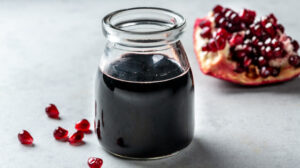
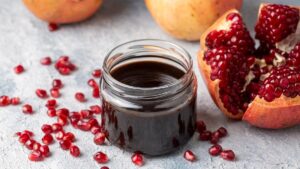
After achieving the perfect consistency, the paste is poured into glass jars or hygienic containers, sealed, and prepared for sale.
The entire process remains additive-free and environmentally
friendly, making it a favorite among international consumers who value natural, healthy products.
It’s this purity and craftsmanship that make Iranian pomegranate paste a standout product on the world stage.
From Local Kitchens to Global Markets: The Export Journey
Once the paste is prepared and packaged, the next stage begins — the export journey.
This is where Iranian craftsmanship meets global demand, showing how a traditional food has become a symbol of quality and authenticity worldwide.
Exporters source pomegranate paste from certified producers known for their quality, natural thickness, and dark, rich color.
Each batch undergoes laboratory testing and quality inspection to ensure it meets export standards.
These certifications are essential for entering high-standard markets such as Europe, Russia, and East Asia.
One of the biggest factors behind Iran’s export success is trust.
Once international buyers experience the taste and quality of Iranian pomegranate paste, they often become long-term customers.
This reliability gives Iranian brands a strong and consistent presence in global markets.
Packaging also plays an important role in the export process.
Attractive, labeled packaging with full product information helps capture international attention.
Modern Iranian exporters now use premium jars and export-grade labeling that highlight the product’s authenticity and origin.
Iranian pomegranate paste is exported to Arab countries, Europe, East Asia, Russia, Canada, and Australia.
Each region has its preferences — for instance, European markets prioritize hygiene and certifications, while Middle Eastern buyers prefer a thicker, more tangy paste.
Another reason for growing exports is the global shift toward healthy and natural foods.
In recent years, restaurants and food brands worldwide have started using pomegranate paste as a key ingredient in sauces, marinades, and salad dressings.
This versatility has greatly boosted international demand.
In the end, the journey of Iranian pomegranate paste — from orchard to table — is a story of authenticity, quality, and dedication.
What begins in Iran’s sunlit orchards now reaches dining tables across the world, symbolizing how a traditional product has become a global brand.

No views