


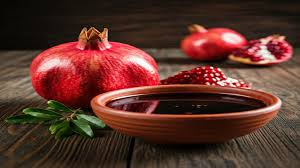
Iranian pomegranate paste, known for its natural composition, authentic aroma, and exceptional quality, is experiencing rapidly growing demand in global markets.
Once a traditional ingredient used mainly inside Iran, it has now become one of the country’s most valuable export products.
Countries such as Germany, Russia, Qatar, the UAE, and Turkey are among the consistent buyers of premium Iranian pomegranate paste.
This article explores the reasons behind this rising global interest and highlights export opportunities for producers.
Rising Global Interest in Authentic Iranian Pomegranate Paste
For many years, pomegranate paste has been a traditional and widely used ingredient in Iranian cuisine.
However, over the past decade, its popularity in international markets has increased dramatically.
This growth has been so significant that many small and large producers have shifted toward semi-industrial and industrial production to meet global demand.
The primary reason for this expansion is the clear difference in quality between Iranian pomegranate paste and the industrial products made in other countries.
Iranian paste is produced from high-quality, often organic Iranian pomegranates and processed using natural, additive-free methods that preserve the fruit’s original flavor and nutrients.
European and Asian markets have shown the highest growth in importing Iranian pomegranate paste.
Countries such as Germany, France, the Netherlands, China, Japan, Qatar, Oman, and the UAE consistently place bulk orders.
The main driver behind this demand is a global shift toward healthier, natural, and preservative-free foods.
Along with its traditional taste, natural color, and high thickness, one feature that sets Iranian pomegranate paste apart from foreign alternatives is its unique aroma.
Many international chefs in high-end restaurants use Iranian paste to prepare both traditional and modern dishes — which itself acts as powerful global promotion.
In recent years, digital marketing has also boosted exports.
Iranian brands active on platforms like Alibaba, Tradewheel, and international B2B marketplaces attract new buyers easily.
Once buyers experience the flavor and consistency of Iranian paste, many become long-term customers, thanks to the product’s reliability and quality.
The continued growth of export markets shows that Iranian pomegranate paste has become not only a traditional product but also a valuable global commodity with even greater potential in the future.
Health-Driven Demand and Worldwide Consumer Trends
The global increase in demand for Iranian pomegranate paste is closely linked to the rise of health-conscious lifestyles.
Modern consumers actively seek natural, additive-free foods rich in antioxidants — and Iranian pomegranate paste fits perfectly into this category.
It is widely recognized as a superfood, containing polyphenols, vitamin C, anthocyanins, and other beneficial compounds.
In Europe and North America, the shift toward healthy eating has expanded rapidly.
People now incorporate natural pomegranate paste into daily meals for its sweet-sour flavor and health benefits.
Nutritionists often recommend natural paste for:
- reducing cholesterol
- improving blood circulation
- strengthening the immune system
- lowering inflammation
A major reason behind its global popularity is the absence of additives and preservatives.
While many industrial pastes on the market are diluted, sweetened, or mixed with chemicals, Iranian paste remains completely natural, thick, and flavor-rich.
The product’s versatility has also boosted international demand.
Chefs and households use pomegranate paste for:
- sauces
- marinades
- salad dressings
- stews and rice dishes
- roasted meats
- desserts and even beverages
The rise of vegan and plant-based diets has further increased demand.
Since pomegranate paste is totally plant-based and naturally processed, it is an excellent alternative to industrial sauces and condiments.
This trend is especially strong in Europe and Australia.
Given the global focus on purity, quality, and natural ingredients, demand for Iranian pomegranate paste is expected to continue rising for many years.
Export Opportunities and Market Expansion for Iranian Producers
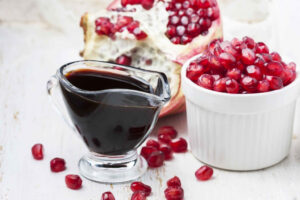
The export market for Iranian pomegranate paste has become one of the most profitable sectors of the food industry.
Growing international demand and the limited number of high-quality producers have created significant opportunities.
1. Middle Eastern Markets
Close, accessible, and high-demand markets include:
- Qatar
- UAE
- Kuwait
- Oman
These regions value natural, thick pomegranate paste and have strong purchasing power.
2. European Union
Europe offers exceptional potential due to its strict regulations against additives.
Since Iranian paste is naturally processed, it aligns perfectly with EU standards — making market entry easier and highly profitable.
3. North America (USA & Canada)
The presence of large Iranian, Turkish, and Arab communities creates high demand for traditional flavors.
Improved packaging, dual-language labeling, and partnerships with distributors can significantly increase sales.
4. B2B Industrial Uses
Many international food manufacturers use pomegranate paste for:
- BBQ sauces
- marinades
- ready-made meals
- flavor concentrates
- gourmet products
Selling in bulk for industrial use often yields higher profits.
5. Digital Export Channels
Platforms like Alibaba, Global Sources, and Tradewheel are now essential for reaching buyers worldwide.
Many importers rely solely on these platforms to find trusted Iranian suppliers.
Conclusion
With rising global demand for natural and healthy foods, Iranian pomegranate paste is positioned to become one of Iran’s leading export products.
By improving standardization, packaging, and digital marketing, Iranian producers can dramatically expand their global presence.
Given current trends, the export potential of Iranian pomegranate paste is expected to grow significantly in new markets across:
- Europe
- East Asia
- North America
- South America
This traditional Iranian product is now evolving into a globally recognized and highly valuable food ingredient.

No views