


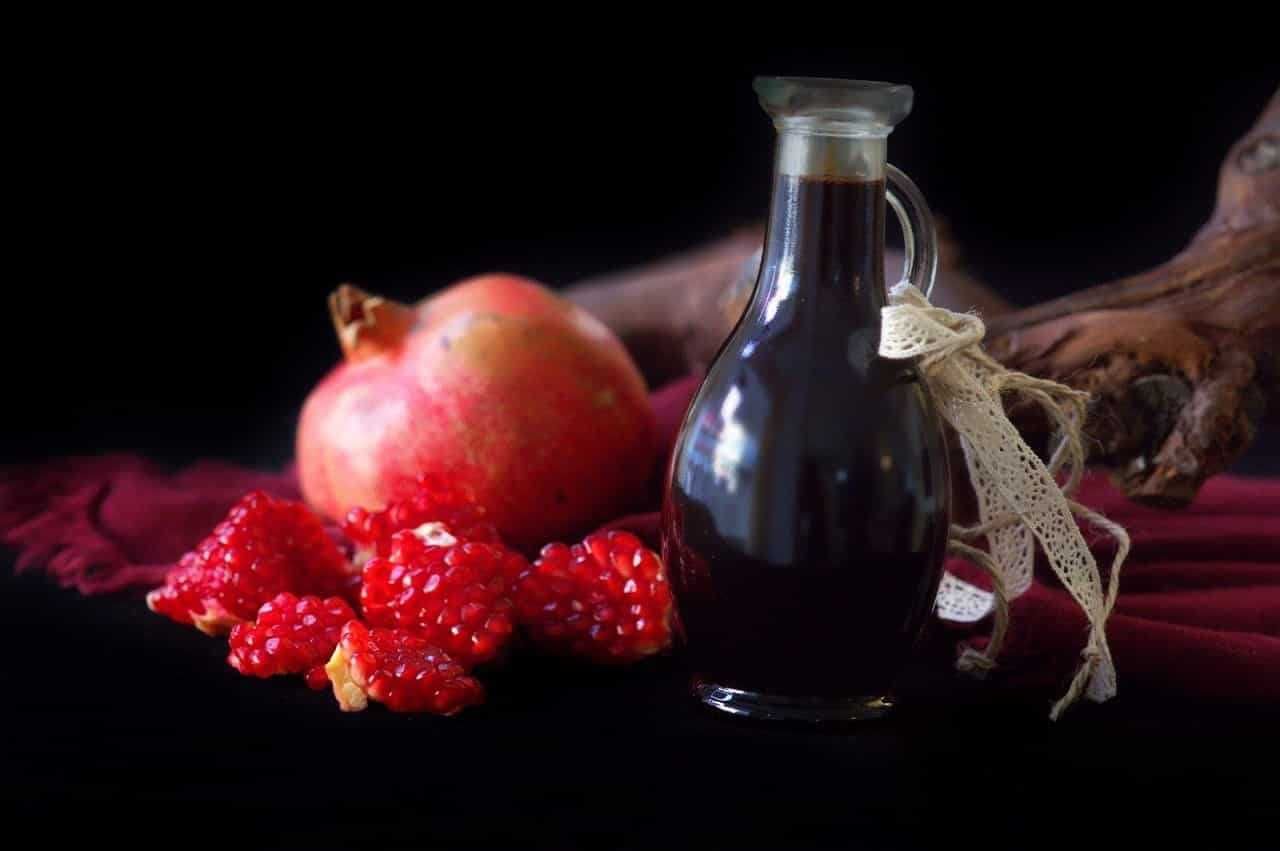
This practical guide provides key insights into selecting the best pomegranate paste for entry into international markets. From identifying the qualities of premium paste to understanding global consumer preferences, packaging, and branding, this article offers a comprehensive roadmap for exporters and producers aiming for success.
Key Qualities of Premium Pomegranate Paste for Export
Pomegranate paste is one of Iran’s traditional and valuable products, appreciated for its unique taste, color, and health benefits. To succeed in export markets, the product must meet specific quality standards. The most important characteristic is its natural and concentrated flavor. High-quality paste should taste tangy or mildly sour, derived from the quality of the fruit and processing methods—not from additives or preservatives.
Color is another important indicator. Premium paste should have a natural, uniform dark brownish-red shade. If the color is unusually light or excessively dark, it may indicate poor production practices. The texture should be thick and consistent—not too watery, nor overly stiff.
A natural pomegranate aroma is also essential. Premium paste should not carry burnt, artificial, or unpleasant acidic odors. From a health standpoint, production for export must undergo strict supervision and quality control tests, including acidity, natural sugar content, and absence of heavy metals.
Shelf life is another critical factor. High-quality paste should remain fresh for months under standard conditions without the need for artificial preservatives. This durability depends on using healthy fruit, proper cooking techniques, and standard packaging.
Finally, premium export-quality paste must comply with international standards, including health certifications, lab analyses, and required approvals for entry into target markets. Compliance builds trust and strengthens the product’s global position.
Factors Influencing the Popularity of Pomegranate Paste in Global Markets
The global popularity of pomegranate paste is driven not only by its distinctive flavor but also by cultural, economic, and marketing factors. First, health-conscious consumer trends play a major role. People worldwide increasingly seek natural, additive-free products. Rich in antioxidants, vitamins, and immune-boosting properties, pomegranate paste appeals strongly to these consumers.
Second, its versatility in international cuisine enhances its demand. Beyond traditional Persian dishes, it is used in sauces, salads, marinades, and even beverages. This adaptability has gained the attention of chefs and international restaurants.
From an economic perspective, competitive pricing significantly boosts popularity. If offered at high quality and fair prices, Iranian paste can outperform competitors from countries like Turkey or Syria. Marketing efforts emphasizing its Iranian authenticity also increase recognition worldwide.
Brand trust is another key factor. International buyers, particularly in Europe and North America, prefer transparent products with detailed nutritional information and certified standards. Companies that meet these expectations grow faster in global markets.
Cultural appeal also matters. Many foreign consumers are eager to explore authentic foods from different countries. As part of Iran’s culinary heritage, pomegranate paste—when properly marketed—sparks curiosity and enthusiasm among global buyers.
Overall, product quality, effective marketing, adherence to international standards, and emphasis on health and cultural authenticity are the main drivers behind the growing global popularity of pomegranate paste.
Essential Tips for Packaging and Branding Pomegranate Paste for Export
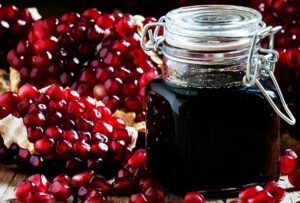
Packaging and branding are decisive factors for successful exports. Even the highest-quality product cannot compete globally without proper packaging and a strong brand identity. The first priority in packaging is preserving quality and shelf life. Dark glass jars or food-safe plastic bottles with secure lids are common choices. Packaging must protect the product from light, air, and moisture.
The second factor is design. In international markets, appearance plays a major role in attracting buyers. Using colors associated with pomegranate (like red and black), appealing imagery, and modern design can enhance the product’s perceived value. Labels should include complete nutritional details, production and expiration dates, country of origin, and health certifications. Multilingual labeling (e.g., English, Arabic, French) also helps with broader acceptance.
Beyond packaging, branding is critical. Creating a brand identity that emphasizes quality, authenticity, and health benefits sets the product apart in global markets. A strong brand should tell a story—for example, highlighting Iran’s pomegranate orchards and traditional preparation methods can build trust and customer interest.
Digital marketing is another powerful tool for branding. An active presence on social media, a multilingual website, and partnerships with international distributors reinforce brand visibility and recognition. Compliance with international packaging and labeling standards also ensures smooth entry into foreign markets.
In conclusion, effective packaging and branding add significant value. A simply packaged product may be viewed only as a low-cost item, while the same paste, presented in elegant packaging under a reputable brand, can command higher prices and secure placement in premium supermarkets and luxury markets worldwide.

No views