


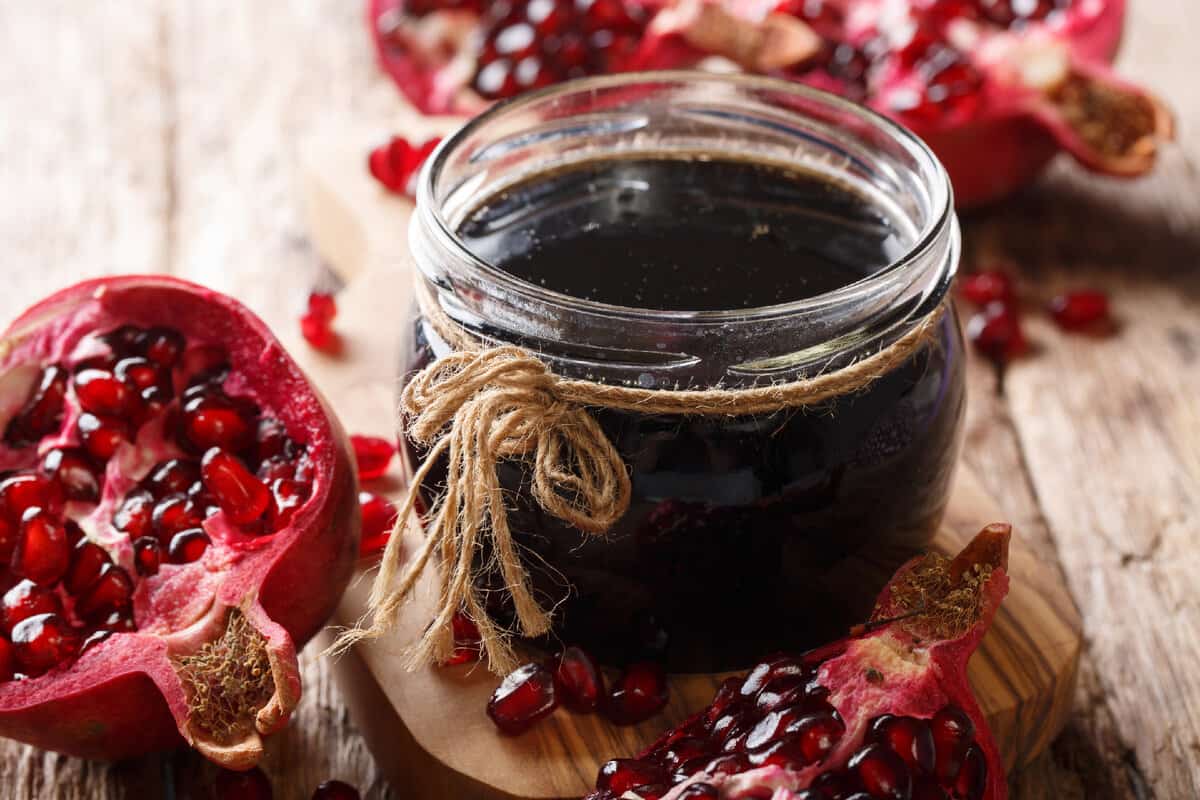
If you are looking for high-quality export-grade pomegranate molasses, paying attention to its natural flavor, proper consistency, and appealing color is essential. Premium pomegranate molasses not only enhances the taste of dishes but also provides high nutritional value, being rich in vitamins and antioxidants. By purchasing top-quality export molasses, you will enjoy a delicious and healthy experience that leaves a lasting impression on family and guests.
Quality Criteria for Export-Grade Pomegranate Molasses
The quality of export pomegranate molasses is one of the most important factors that ensure its success in global markets. The first criterion is the selection of premium raw materials. Using fresh, ripe, and healthy pomegranates preserves the natural flavor and mild tartness, while also maintaining a clear and attractive color. Unripe or damaged fruits can cause bitterness, reduce product quality, and lower its nutritional value.
The second criterion is the production process. Export-grade molasses should be prepared using hygienic and standardized methods, with heating carefully managed to preserve taste and heat-sensitive vitamins such as vitamin C. The limited and controlled use of chemical additives is another hallmark of premium export products.
The third criterion is thickness and consistency. High-quality molasses should be thick, uniform, and free of excess water. This not only improves flavor but also extends shelf life, ensuring the product retains its quality during long-term export packaging.
The fourth criterion is packaging and shelf life. Export molasses should be packed in hygienic, durable containers with clearly labeled production and expiration dates. Proper packaging not only protects the product but also builds trust with international buyers.
Finally, adherence to health standards and international quality certifications is critical for export. These certifications demonstrate product credibility and ensure its safety for consumers. Considering these criteria, export-grade molasses offers a natural, flavorful, and nutritious option that delivers a safe and enjoyable experience for both domestic and international consumers.

The Importance of Flavor, Consistency, and Color in Choosing Pomegranate Molasses
Flavor, consistency, and color are among the most important factors in selecting high-quality molasses that elevate the cooking experience. The flavor of molasses plays a central role in enhancing dishes. A natural taste offers a balanced mix of sweetness and tartness, without bitterness or artificial flavors, ensuring delicious meals. Fresh flavor also reflects the use of ripe, healthy pomegranates and proper processing.
Consistency is another key factor. Premium molasses should be thick, uniform, and free from excess water. Watery or diluted molasses often indicates added water or sugar, reducing original quality and weakening flavor. Correct consistency is also a sign of proper processing and nutrient retention.
Color is another reliable indicator of quality. Natural pomegranate molasses should range from bright red to reddish-brown, reflecting the freshness and health of the pomegranates used. Overly dark or artificial-looking colors may indicate excessive heating, additives, or poor-quality fruit.
By considering flavor, consistency, and color, consumers can choose a product that not only enhances dishes but also preserves nutritional benefits, delivering a healthy and enjoyable experience of authentic pomegranate taste.

Review of Pomegranate Molasses Packaging and Shelf Life
Packaging and shelf life are critical factors in selecting quality molasses, especially for consumers and export purposes. Proper packaging protects molasses against contamination, moisture, and light while preserving its flavor, color, and nutritional properties. Common options include glass jars, high-quality plastic containers, or hygienic metal cans, each with unique benefits. Clear glass jars allow visibility of color and consistency, while durable plastic with tight lids prevents leakage and spoilage.
In addition to material, complete product labeling is essential. Production date, expiration date, and storage conditions must be clearly stated to help consumers determine the best time for use and ensure product quality. Packaging should also comply with hygiene standards and withstand transport challenges to deliver products safely to buyers.
Shelf life depends directly on packaging and production methods. Thick molasses, free of excess water and stored in sealed containers away from direct sunlight, can maintain quality for several months. Proper storage conditions, such as cool and dry environments, also extend shelf life and prevent changes in taste or color.
In conclusion, proper packaging and shelf life guarantee that consumers consistently receive a high-quality, fresh product with the authentic taste of pomegranate, ensuring a healthy and enjoyable experience with this valuable condiment.

No views