


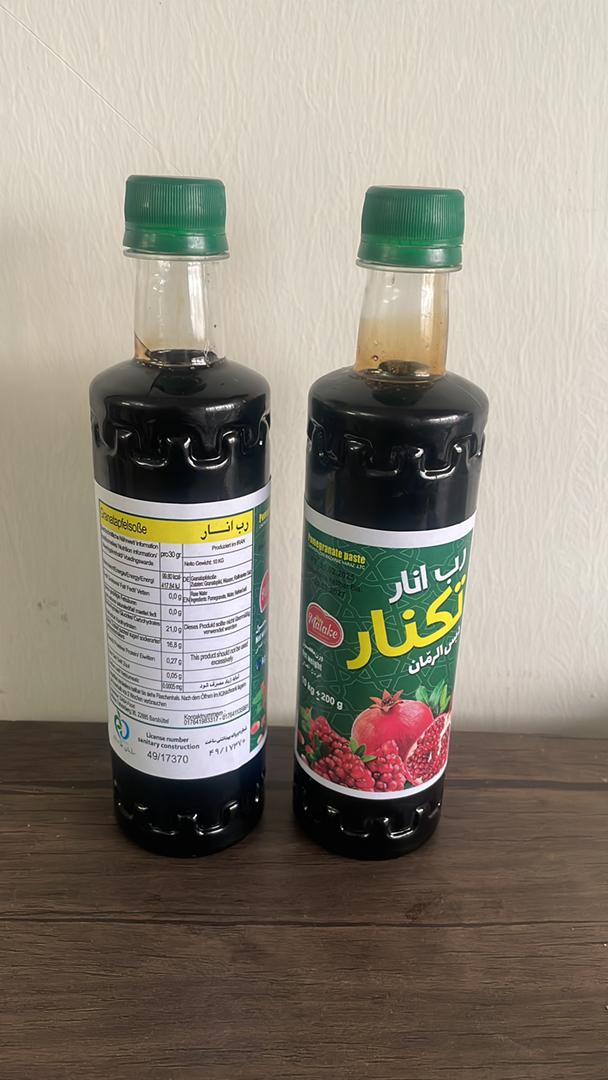
Exporting Iranian pomegranate paste is done through two main methods—traditional and industrial—each with its own unique features and advantages. Understanding the key differences between these two types is crucial for traders and exporters. In this article, we review quality, production methods, target markets, and global demand for both traditional and industrial pomegranate paste, helping businesses make more informed choices in international trade.
Production Methods of Traditional vs. Industrial Pomegranate Paste
Traditional and industrial pomegranate paste differ significantly in terms of production processes. In traditional production, fresh and healthy pomegranates are washed, seeded, and juiced, then boiled in large copper or steel pots until the desired concentration is reached. This method, because of long heating times, gives the paste its distinctive flavor and natural color, but it is time-consuming and costly. In contrast, industrial production uses modern machinery and controlled heating systems. This method not only speeds up production but also enables standardization and improved hygiene control. The use of advanced technologies in factories allows for precise adjustment of sugar levels, acidity, and texture. While traditional production relies heavily on individual skill and experience, industrial production offers large-scale, consistent output. The choice between the two methods for export depends on the target market—some foreign customers prefer the authentic taste of traditional paste, while others seek industrial products with modern packaging and long shelf life.
Quality, Taste, and Shelf Life in Traditional and Industrial Types
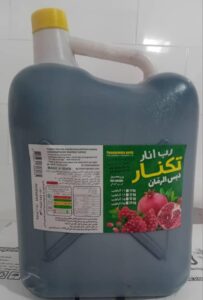
One of the main differences between traditional and industrial pomegranate paste lies in quality and taste. Traditional paste usually has a tangier flavor and a more natural color. This type of paste is especially popular in niche markets and among customers looking for organic and natural products. However, due to direct heating and manual processes, traditional paste has a shorter shelf life and requires specific storage conditions. By contrast, industrial paste is produced under standardized hygienic conditions using advanced machinery, which gives it a longer shelf life. Factories also often include pasteurization and vacuum-sealed packaging, preventing microbial growth and mold. These features make industrial paste more suitable for export to distant countries. Nevertheless, some foreign buyers still value traditional paste for its unique flavor and authenticity. As a result, both traditional and industrial types hold their own special places in global markets.
Export Markets: Which Type of Pomegranate Paste Is More Profitable?
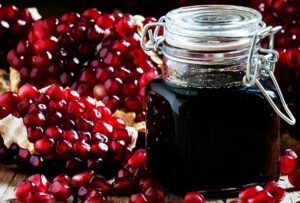
In international trade, choosing between traditional and industrial paste plays a key role in profitability. Industrial paste, thanks to mass production, competitive pricing, and standardized packaging, is well suited for distribution in supermarkets and global markets. It is especially in demand in European and Asian countries that prioritize hygienic products with international certifications. On the other hand, traditional paste is more attractive to niche and luxury markets. Traditional restaurants, organic product shops, and customers who value authentic Iranian flavor are its main buyers. Exports of traditional paste are typically smaller in volume but command higher prices, whereas industrial paste supports broader and more stable exports. For traders and exporters, a balanced combination of both types can be a smart strategy. For example, industrial paste can meet high-volume orders, while traditional paste can target specific buyers and luxury markets. This dual approach allows exporters to cover diverse target markets and maximize profitability.

No views