


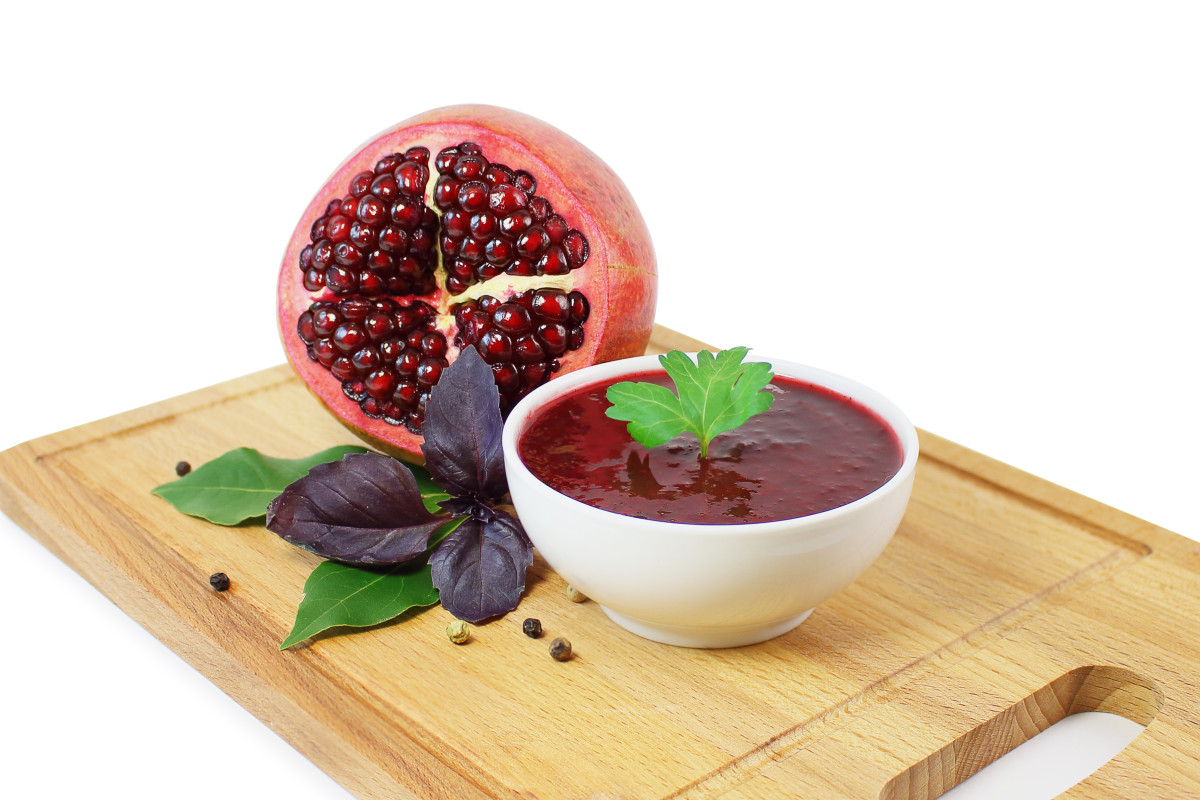
Supplying pomegranate paste for importers requires special attention to quality, production type, and global standards. This article examines the differences between homemade and industrial pomegranate paste so that importers can make the best choice for their target markets. The comparison provides a clear picture of the advantages and limitations of each type.
Homemade Pomegranate Paste: Natural Appeal and Market Value
Homemade pomegranate paste has always been valued for its authenticity and natural taste. It is usually prepared based on local recipes and traditional methods, giving it deeper flavor, aroma, and color compared to industrial versions. Very few or no chemical additives are used in production, making it highly popular among consumers who prefer natural and healthy products.
For importers, homemade paste is considered a premium and exclusive product that can attract high-end customers such as gourmet restaurants, organic food stores, and health-conscious buyers. Its market value comes largely from its perception as a handcrafted product closely tied to traditional farming practices.
However, the main challenge in sourcing homemade paste lies in supply consistency and standardization. Local producers usually manufacture in small volumes, which may cause difficulties for importers needing large quantities. Packaging is often simpler and may not fully comply with global export standards.
Despite these limitations, homemade paste stands out for its uniqueness and cultural storytelling potential, making it suitable as a luxury product. Importers focusing on niche markets such as Mediterranean restaurants, health stores, or artisanal product enthusiasts can achieve strong profitability.

Industrial Pomegranate Paste: Consistency, Standards, and Export Readiness
Industrial pomegranate paste is produced to meet the broad demands of global markets. Manufactured with advanced machinery under strict hygienic conditions, it ensures uniform taste, color, and concentration across all batches. This consistency makes it an excellent option for importers seeking a reliable product for large-scale distribution.
Industrial paste usually offers longer shelf life and comes in standardized export-ready packaging. Producers often carry out quality control tests on sugar concentration (Brix), acidity, and microbial safety, ensuring compliance with global standards such as HACCP and ISO.
One of the greatest advantages of industrial paste is its export readiness. Producers can supply high volumes in various packaging formats such as cans, jars, and bulk packs, along with the required documentation and certifications for customs clearance.
From a pricing perspective, industrial paste is also more economical, enabling importers to compete effectively in global markets. While some consumers may view it as less authentic, importers can emphasize its food safety, consistent quality, and scalability to strengthen its market position.
Key Quality Specs Importers Should Evaluate Before Sourcing
Before purchasing pomegranate paste, whether homemade or industrial, importers must carefully evaluate its quality specifications. One of the main indicators is the **Brix level**, which shows sugar concentration and, consequently, the richness and flavor of the paste. The higher the Brix, the more suitable it is for sauces and culinary applications.
The second factor is **acidity**. Balanced acidity ensures the paste tastes pleasantly tangy—not overly sour or too mild. In addition, **color and aroma** are critical. A deep, glossy color combined with a natural pomegranate scent signals high-quality production.
Another important factor is **additives and preservatives**. Homemade paste is usually produced without chemicals, while industrial paste may include stabilizers to extend shelf life. Importers should make choices based on their target markets—for example, in organic-oriented markets, additive-free products are more desirable.
Finally, **packaging and shelf life** are vital for international trade. Standardized packaging such as sealed glass jars or aseptic bags preserves quality during transport. International certifications like ISO and HACCP also add credibility and simplify market entry.
Ultimately, the choice between homemade and industrial paste depends on the importer’s strategy. If the goal is to attract niche and health-conscious buyers, homemade paste is ideal. But for large-scale supply and entry into wholesale markets, industrial paste is the safer and more scalable choice.

No views